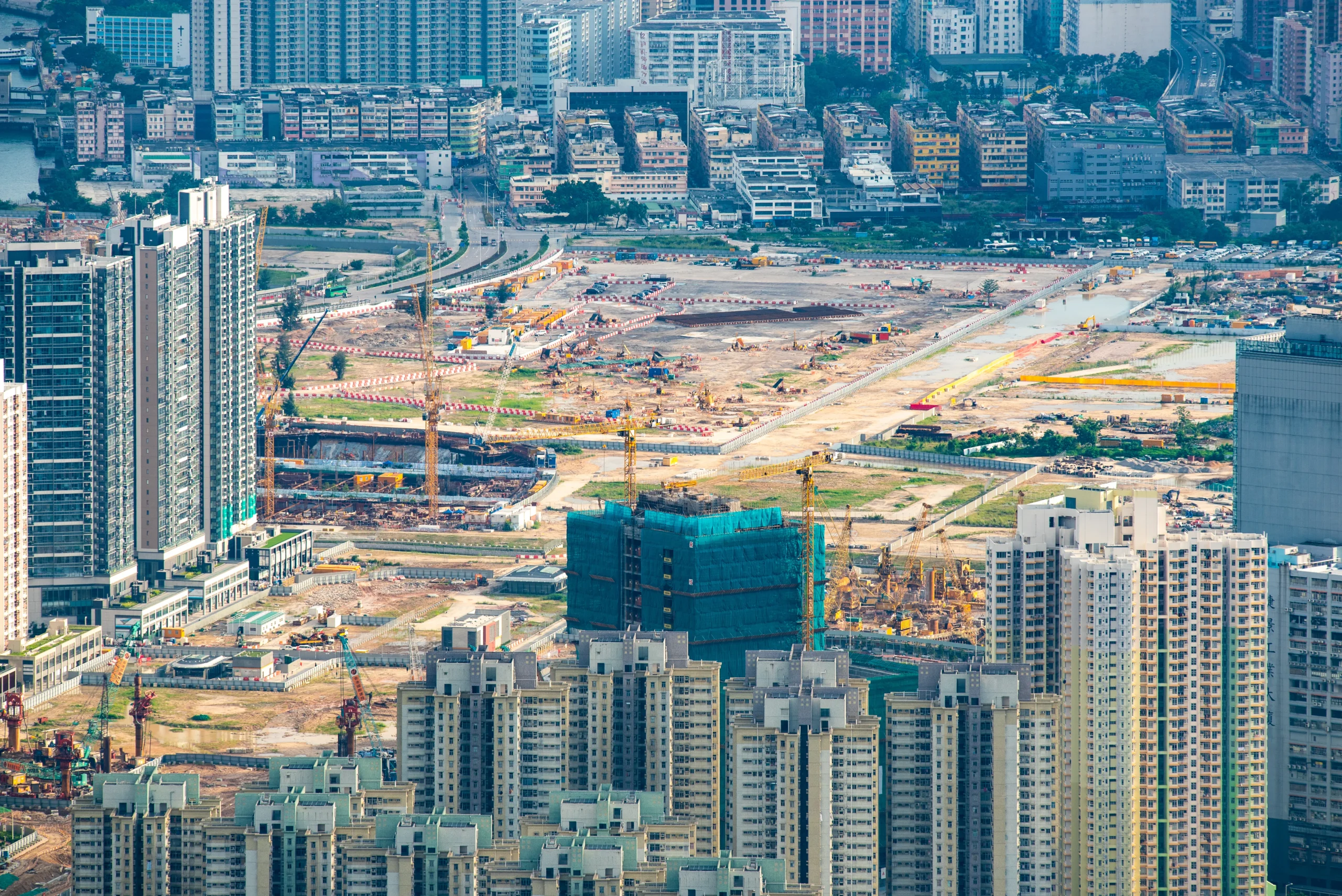
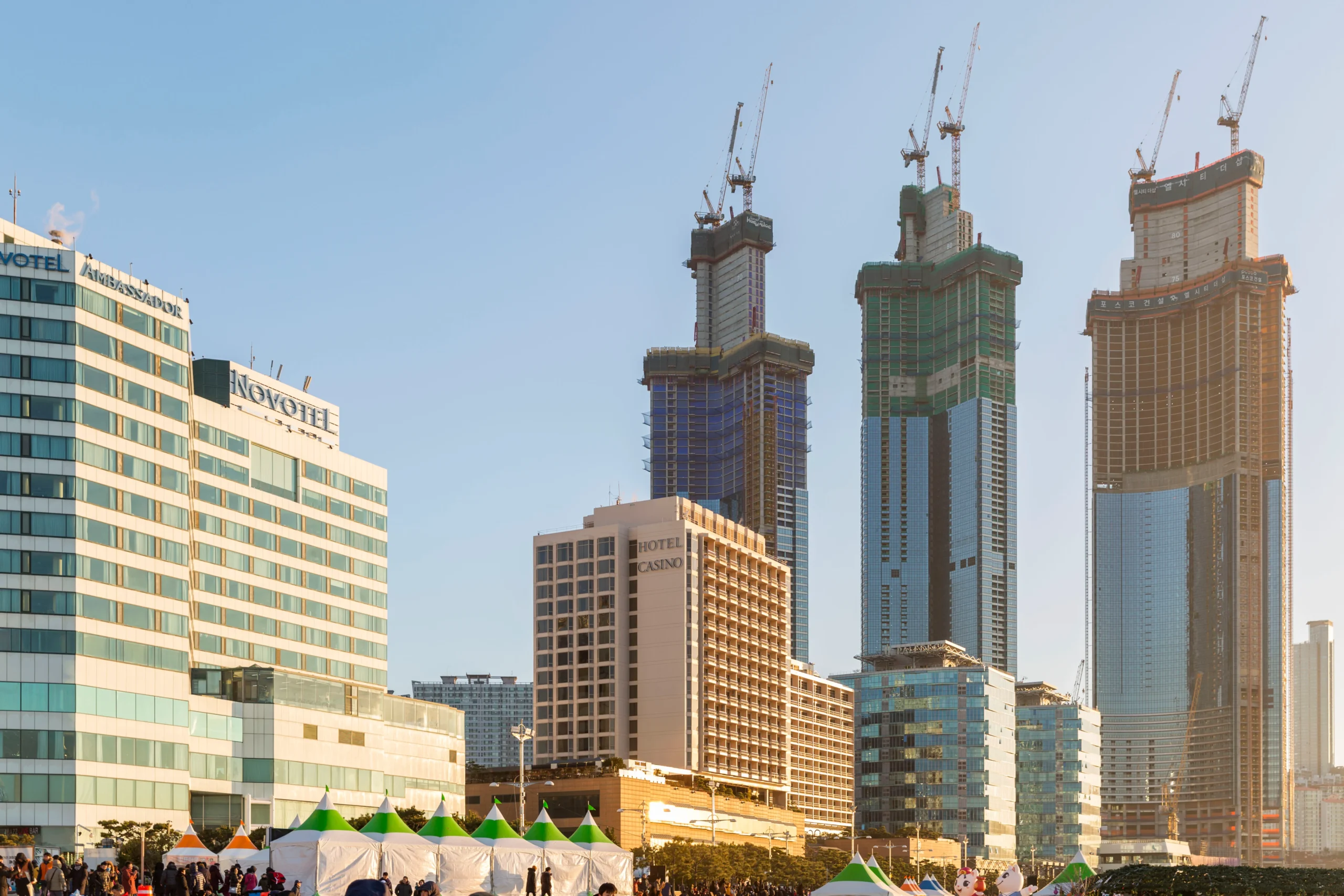
The first step in any infrastructure project is to clearly define the scope and goals. What is the project intended to achieve? Is it a new highway, a metro extension, a water treatment plant, or a mixed-use development? Understanding the purpose will guide every decision from budgeting to design.
A clear scope also helps identify the resources needed, including manpower, equipment, and materials. It is important to set realistic objectives and timelines. In Abu Dhabi, where government standards are high and projects are often large-scale, having a detailed plan at the beginning can prevent delays and costly changes later.
Conduct Thorough Feasibility Studies
Before breaking ground, it is essential to perform feasibility studies. These studies examine whether the project is practical and sustainable. They consider factors such as site conditions, environmental impact, traffic flow, and future population growth.
Feasibility studies also help in estimating costs accurately and identifying potential risks. For example, in Abu Dhabi, the desert climate, high temperatures, and occasional sandstorms can affect construction schedules. Understanding these factors early allows planners to adjust timelines, choose suitable materials, and implement safety measures.
Budgeting and Resource Planning
A well-planned infrastructure project needs a realistic budget. This includes costs for land acquisition, materials, labor, equipment, permits, and contingency funds for unexpected challenges. Abu Dhabi projects often involve multiple stakeholders, so transparent budgeting ensures everyone is on the same page.
Resource planning is equally important. This includes organizing manpower, machinery, and construction materials efficiently. Using technology such as project management software or digital tracking tools can help allocate resources where they are needed most. Proper planning reduces delays and prevents overspending.
Focus on Quality Design and Engineering
Infrastructure projects must be designed to last for decades. This requires high-quality engineering and design standards. Hiring experienced engineers, architects, and consultants ensures that structures are safe, functional, and durable.
Modern tools like Building Information Modeling (BIM) are highly recommended. BIM allows planners to create 3D models of the project, coordinate all engineering systems, and identify potential clashes before construction starts. This reduces errors, improves efficiency, and ensures that the final infrastructure meets international quality standards.
Obtain Approvals and Follow Regulations
Abu Dhabi has strict regulations for infrastructure projects. Before construction begins, all necessary approvals and permits must be secured from the relevant authorities. This includes environmental clearances, zoning approvals, and safety certifications.
Following regulations not only avoids legal issues but also ensures that projects are safe and sustainable. It is important to maintain continuous communication with government departments to stay updated on any changes in rules or standards.
Risk Management and Contingency Planning
Every infrastructure project faces risks, from budget overruns to weather delays. Successful planning includes a risk management strategy to identify, assess, and mitigate potential problems.
Contingency planning is essential. For example, if there is a delay in the supply of materials, an alternative supplier should be ready. Similarly, unexpected labor shortages or technical challenges should be anticipated and addressed in advance. Abu Dhabi’s large-scale projects often face multiple risks, so proactive management is key to avoiding costly setbacks.
Incorporate Sustainability Practices
Sustainability is no longer optional. Infrastructure projects in Abu Dhabi must consider environmental impact and long-term efficiency. This includes using energy-efficient materials, reducing water consumption, and minimizing waste.
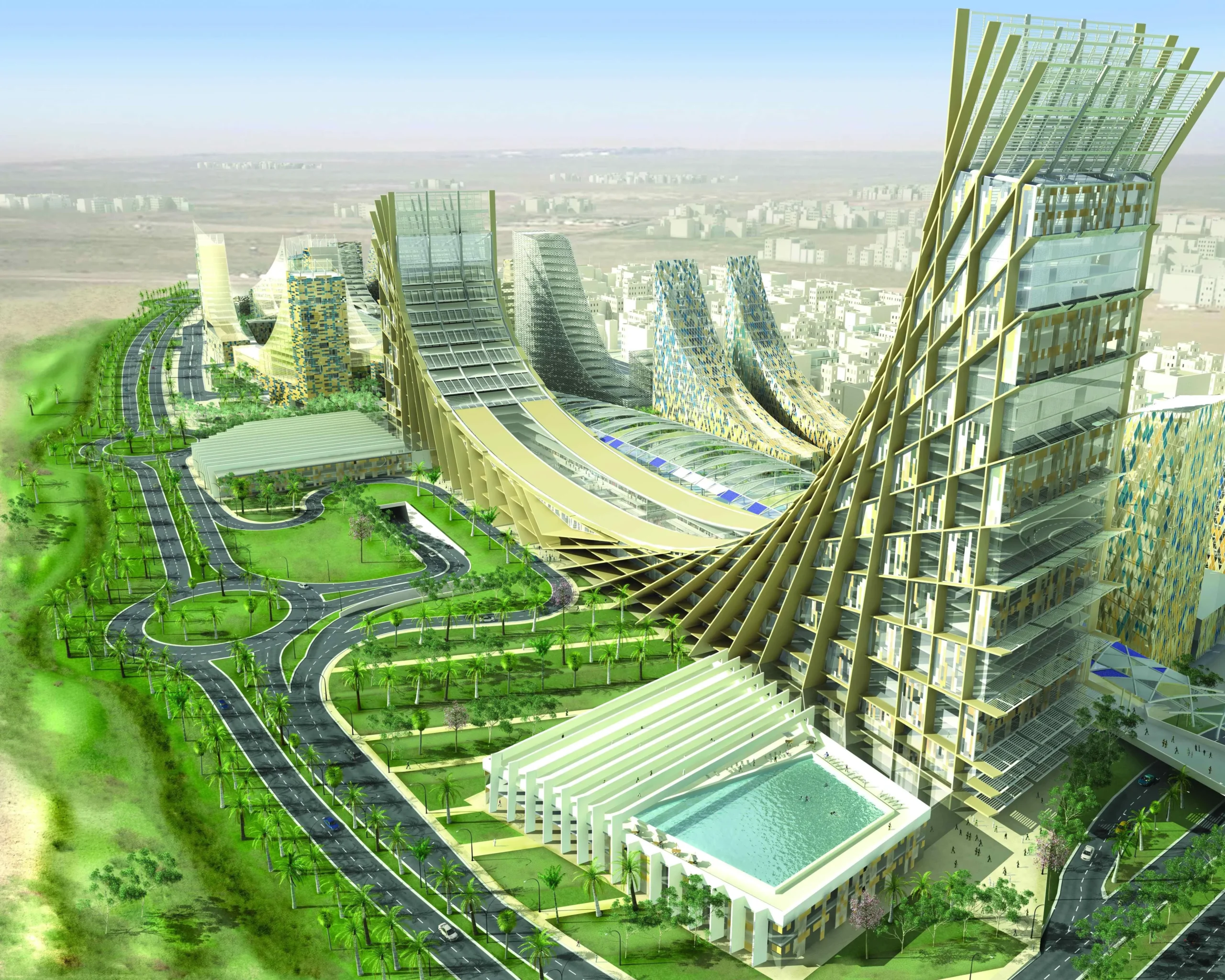
Incorporating renewable energy solutions, such as solar-powered street lighting or energy-efficient public facilities, is becoming standard practice. Sustainable design not only aligns with the UAE’s environmental goals but also reduces operational costs over the life of the infrastructure.
Engage Skilled Teams and Contractors
A successful project depends on the expertise of the team. Hiring skilled contractors, engineers, and project managers ensures that work is completed on time and meets quality standards.
Collaboration is crucial. Different teams, from architects to contractors to government consultants, must work closely together. Regular meetings, progress reports, and digital tracking systems help coordinate activities and maintain accountability.
Monitoring and Project Management
Once construction begins, continuous monitoring and project management are critical. This includes tracking progress, quality, safety, and budget adherence. Advanced project management tools allow managers to monitor tasks in real time and make adjustments quickly if needed.
Safety should always be a priority. Workers’ health, equipment safety, and site conditions must be monitored constantly. Smart technologies like wearable sensors, drones, and digital dashboards can enhance safety and efficiency on site.
Testing, Handover, and Maintenance Planning
After construction is completed, testing ensures that all systems function correctly. Roads, bridges, water systems, and public facilities must be checked thoroughly before opening to the public.
Proper handover procedures ensure that government authorities or clients receive complete documentation, manuals, and maintenance plans. Planning for maintenance from the start helps keep infrastructure in good condition for years to come.
Conclusion
Planning a successful infrastructure project in Abu Dhabi requires careful attention to detail, advanced technology, sustainability, and strong teamwork. Clear goals, thorough feasibility studies, realistic budgeting, and quality engineering form the foundation of success. By managing risks, following regulations, and monitoring progress carefully, projects can be completed on time and within budget.
Sustainability and community-focused design ensure that infrastructure benefits both people and the environment. With Abu Dhabi continuing to grow and modernize, well-planned projects will shape the city’s future for decades.
Infrastructure planning is not just about building roads, bridges, or public facilities. It is about creating systems that improve the daily life of residents, support economic growth, and enhance the city’s global reputation. Successful projects combine vision, precision, and teamwork to achieve lasting impact.