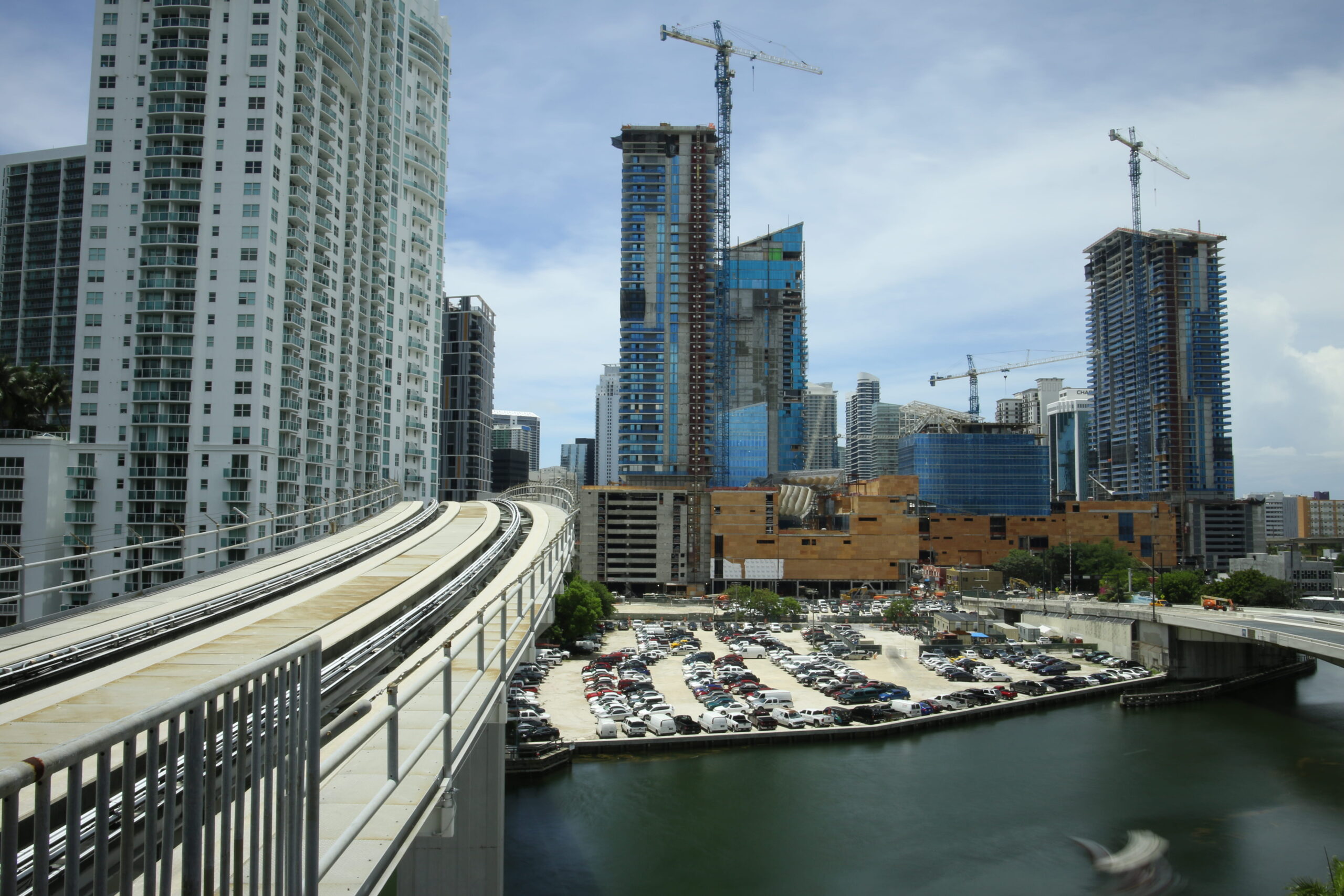
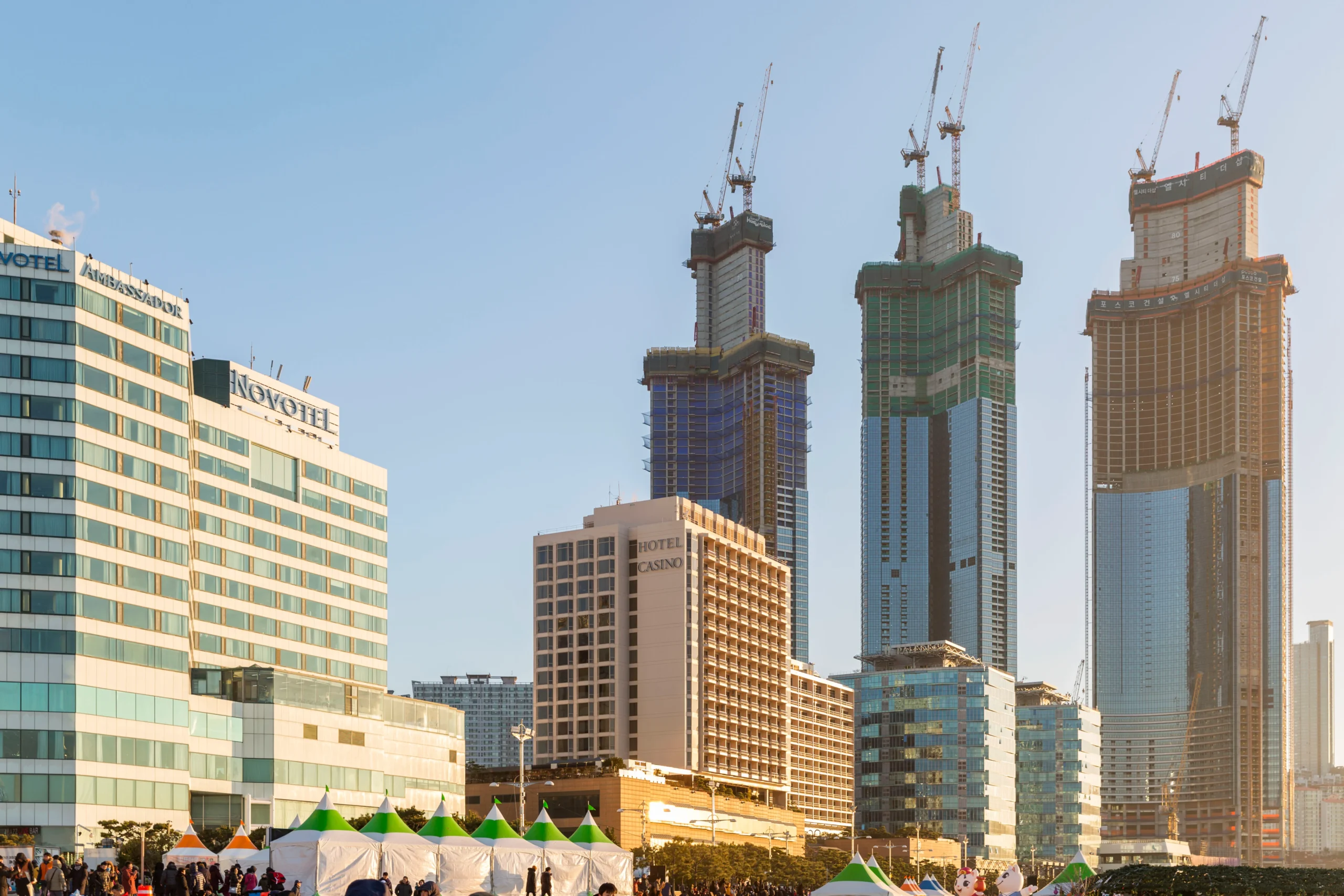
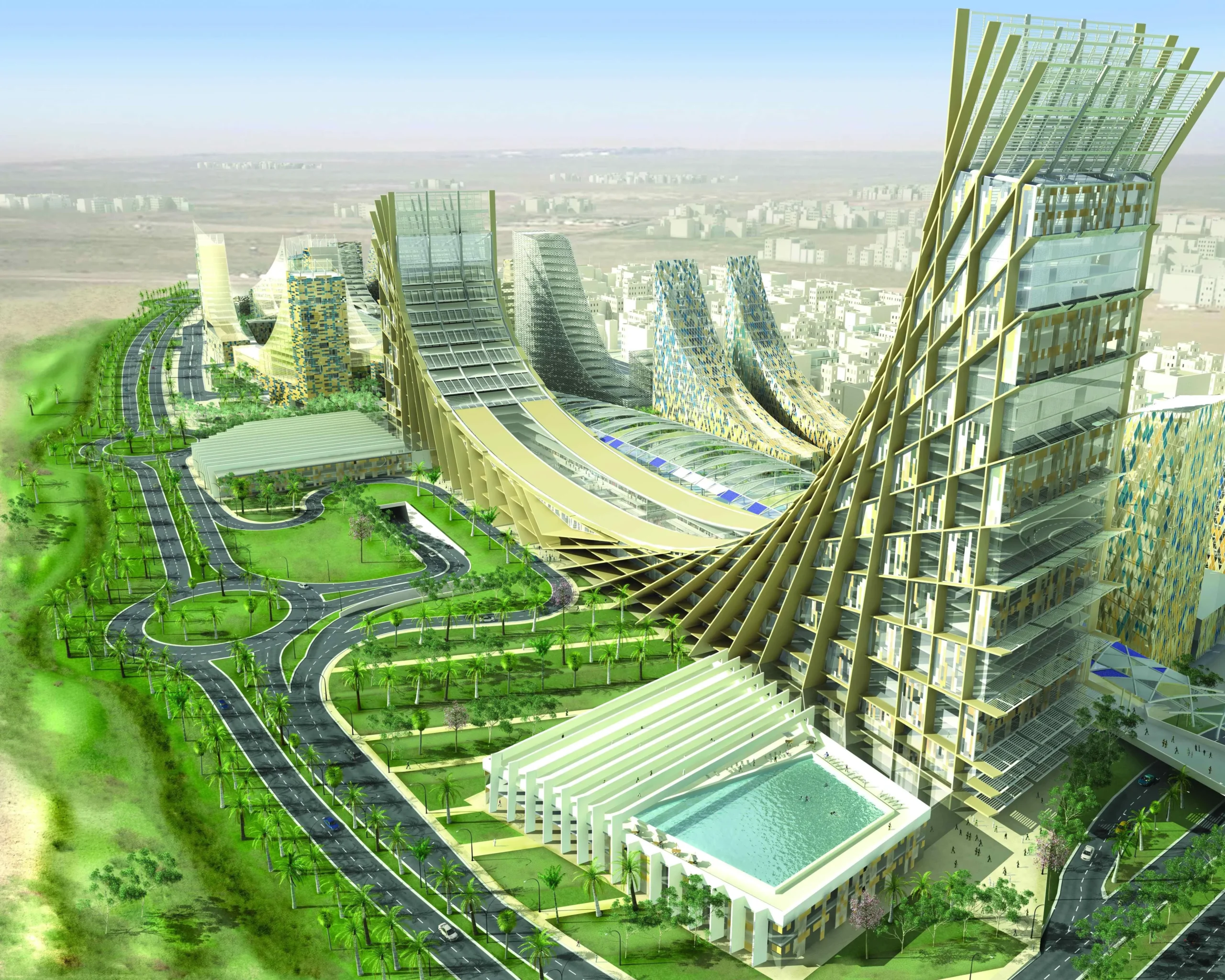
Technology is now at the center of every major construction project in the UAE. Companies are using digital tools to plan, design, and manage buildings more efficiently. One of the most important tools is Building Information Modeling, commonly known as BIM. This system allows engineers and architects to create detailed 3D models before construction begins.
With BIM, teams can see how a building will look and function in real life. They can detect design problems early, reduce errors, and control costs more accurately. This is very important in cities like Dubai where projects often have strict deadlines and high quality expectations.
In addition to digital design tools, drones are widely used on construction sites. Drones help monitor progress, inspect tall structures, and improve safety by reducing the need for manual inspections in risky areas. Smart software also helps project managers track schedules and budgets in real time. Technology is making construction faster, more accurate, and more organized.
2. Strong Focus on Sustainability
Sustainability has become a top priority in the UAE. The country has long-term environmental goals, including reducing carbon emissions and promoting green development. As a result, construction companies are adopting eco-friendly practices.
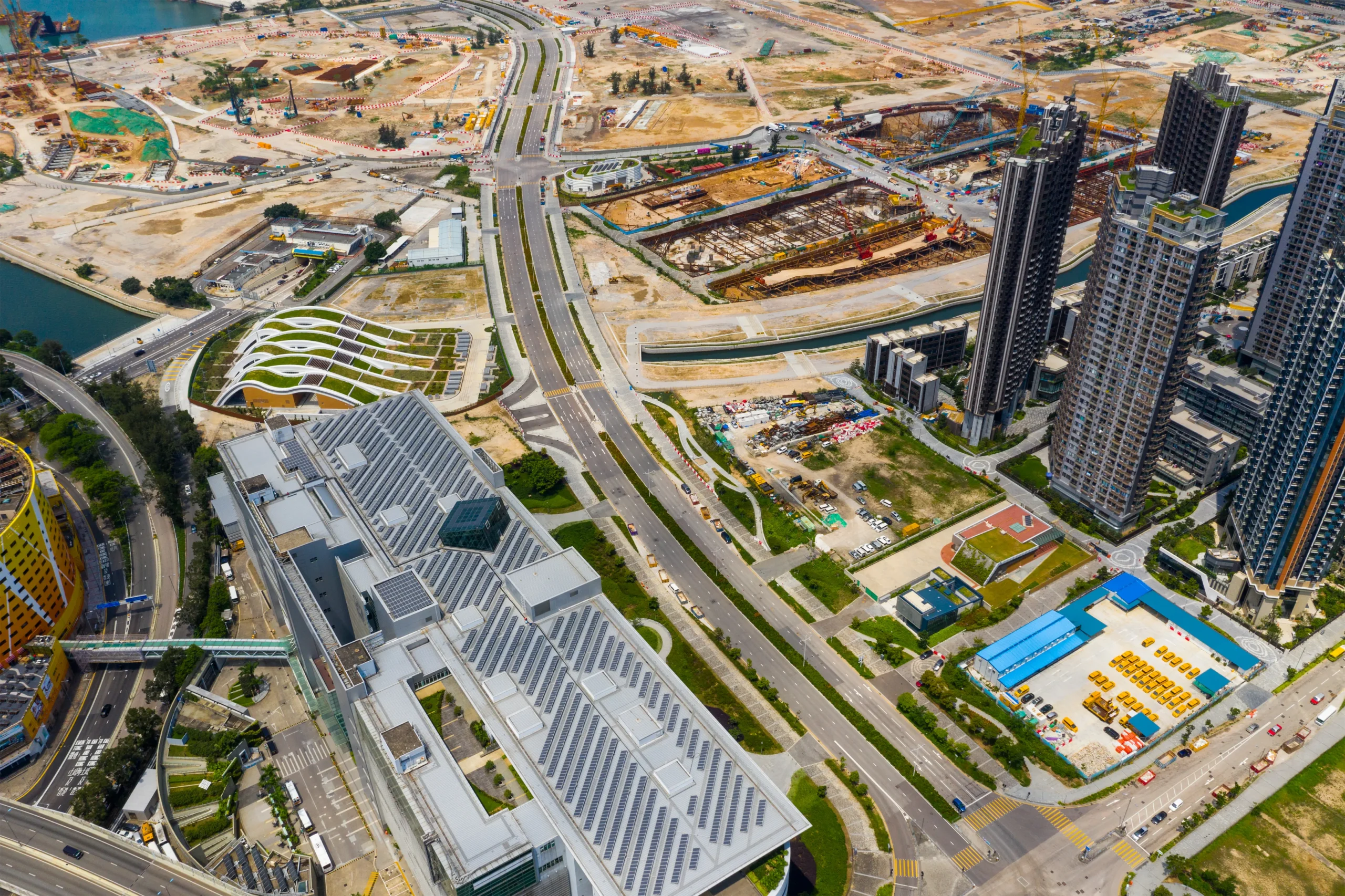
New buildings are being designed to use less energy and water. Developers are installing energy-efficient lighting systems, better insulation, and smart climate control systems. Many projects now include solar panels to reduce dependence on traditional power sources. Since the UAE has abundant sunlight throughout the year, solar energy is a natural solution.
Green building materials are also becoming more common. Some companies use recycled materials or low-emission products to reduce environmental impact. In addition, urban planning now focuses on creating walkable communities with parks, shaded areas, and public transport access. Sustainability in construction is not only about protecting the environment. It is also about improving the quality of life for residents.
3. Growth of Modular and Prefabricated Construction
Another important trend in 2026 is modular construction. This method involves building parts of a structure in a factory before transporting them to the site for assembly. Instead of constructing everything on location, sections are prepared in controlled environments.
This approach saves time and improves quality control. Factory settings allow for precise measurements and reduced material waste. It also helps complete projects faster, which is valuable in the fast-moving UAE market. Developers can reduce delays and deliver properties on schedule.
Modular construction is being used for residential buildings, offices, schools, and even hotels. It is especially useful for large projects where speed and efficiency are important. As demand for housing and commercial spaces continues, modular solutions are becoming more popular across the Emirates.
4. Improved Safety Standards and Worker Protection
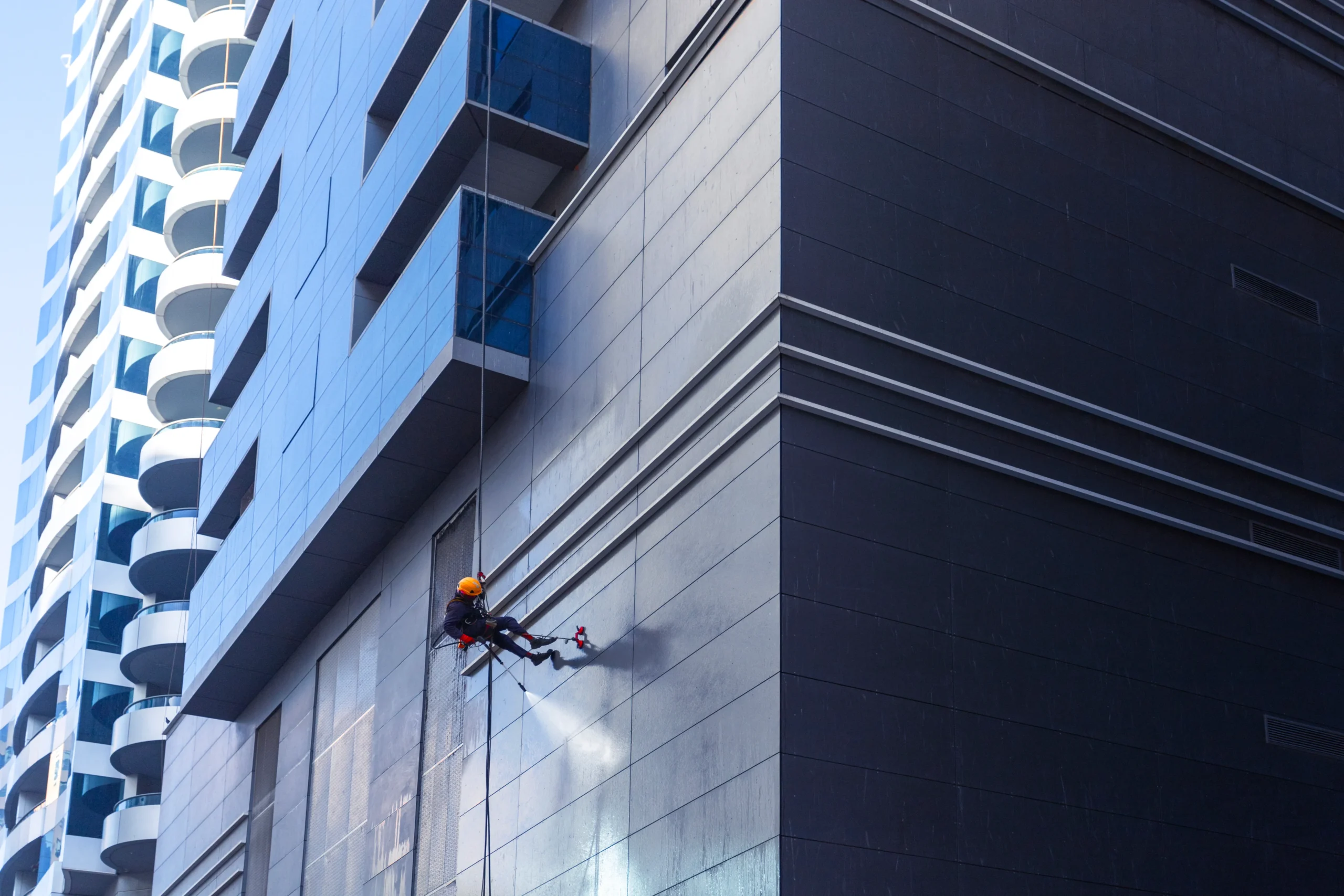
Safety remains one of the most important aspects of construction in the UAE. In 2026, companies are using advanced systems to protect workers and reduce accidents. Wearable technology is now common on job sites. These devices can monitor health conditions such as body temperature and fatigue levels. If there is a risk, alerts can be sent immediately.
Virtual reality training is also becoming popular. Workers can practice safety procedures in a simulated environment before working on real projects. This improves understanding and reduces mistakes. Digital monitoring systems help supervisors track safety compliance in real time.
The UAE has always placed strong emphasis on labor standards, and modern technology is supporting this effort. Safer work environments lead to better productivity and higher confidence among workers. This benefits both companies and employees.
5. Smart and Community-Based Urban Development
Construction in the UAE is not just about individual buildings. It is about creating complete communities. Developers are focusing on mixed-use projects where people can live, work, shop, and relax in the same area. This design reduces travel time and supports a more convenient lifestyle.
Smart infrastructure is also expanding. New developments include intelligent traffic systems, digital services, and energy-efficient public facilities. These features improve daily life for residents and make cities more connected.
Urban planning in cities like Dubai and Abu Dhabi emphasizes comfort, accessibility, and cultural identity. Projects now include public spaces, green areas, and community centers. The goal is to create environments that feel modern while also supporting social interaction.
Conclusion
The construction industry in the UAE in 2026 is shaped by innovation and long-term vision. Technology is improving planning and efficiency. Sustainability is guiding design decisions. Modular construction is speeding up delivery times. Safety standards are becoming smarter and stronger. Community-focused development is creating better living environments.
These trends show that the UAE is not only building impressive structures but also building responsibly and intelligently. Whether it is a residential tower, a commercial complex, or a large infrastructure project, the future of construction in the UAE is focused on quality, efficiency, and sustainability.
The country continues to set an example for modern development. In 2026 and beyond, construction in the UAE will remain one of the most dynamic and forward-thinking industries in the region.