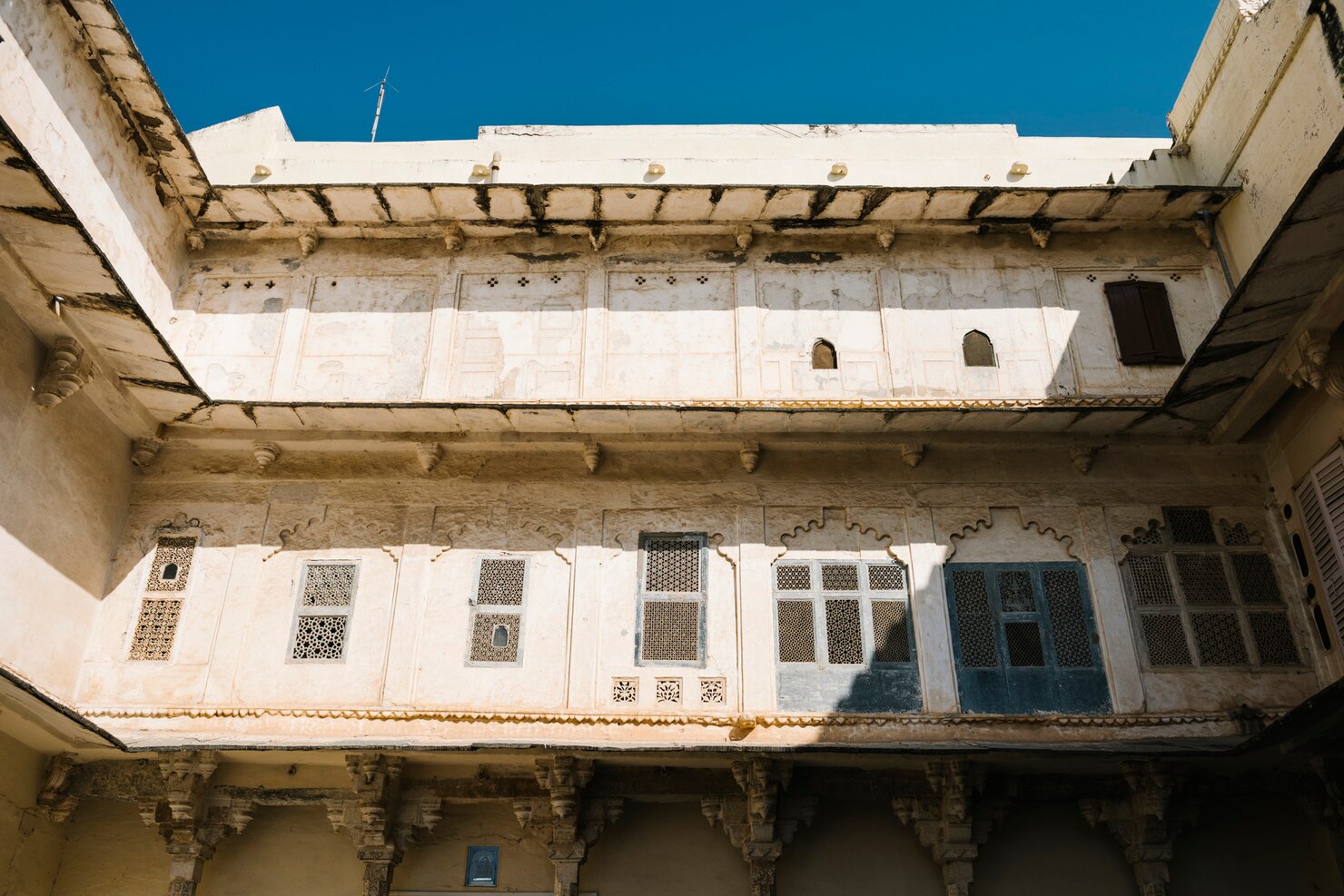
Old buildings often have strong foundations and solid structures, but their systems and finishes may no longer meet current expectations. Over time, electrical wiring, plumbing systems, insulation, and safety features can become outdated. Renovation helps bring these buildings up to today’s standards while keeping their original structure intact.
In the UAE, where real estate is a major part of the economy, upgrading existing properties is often more practical than rebuilding from scratch. It allows owners to improve performance without losing location advantages. Many older buildings are in prime areas, which makes renovation a strategic decision.
Improving Safety and Compliance
One of the most important reasons for rehabilitation is safety. Building regulations in the UAE are strict, and standards continue to improve. Older buildings may need upgrades to fire protection systems, emergency exits, elevators, and electrical systems to meet current codes.
Renovation ensures compliance with modern safety requirements. This includes installing updated fire alarms, sprinkler systems, and emergency lighting. Structural assessments may also be conducted to confirm that the building remains strong and stable. By upgrading safety systems, owners protect occupants and reduce legal risks.
Enhancing Energy Efficiency
Energy efficiency is a major focus in the UAE. With high temperatures throughout much of the year, cooling systems consume a large amount of energy. Older buildings often use outdated air conditioning units and insulation materials that increase electricity usage.
Through renovation, buildings can be upgraded with energy-efficient HVAC systems, better insulation, and modern windows that reduce heat transfer. Installing LED lighting and smart energy controls can further reduce consumption. These improvements lower operating costs and support the country’s sustainability goals.
Energy-efficient buildings are also more attractive to tenants. Businesses today prefer spaces that reduce utility expenses and support environmental responsibility.
Increasing Property Value
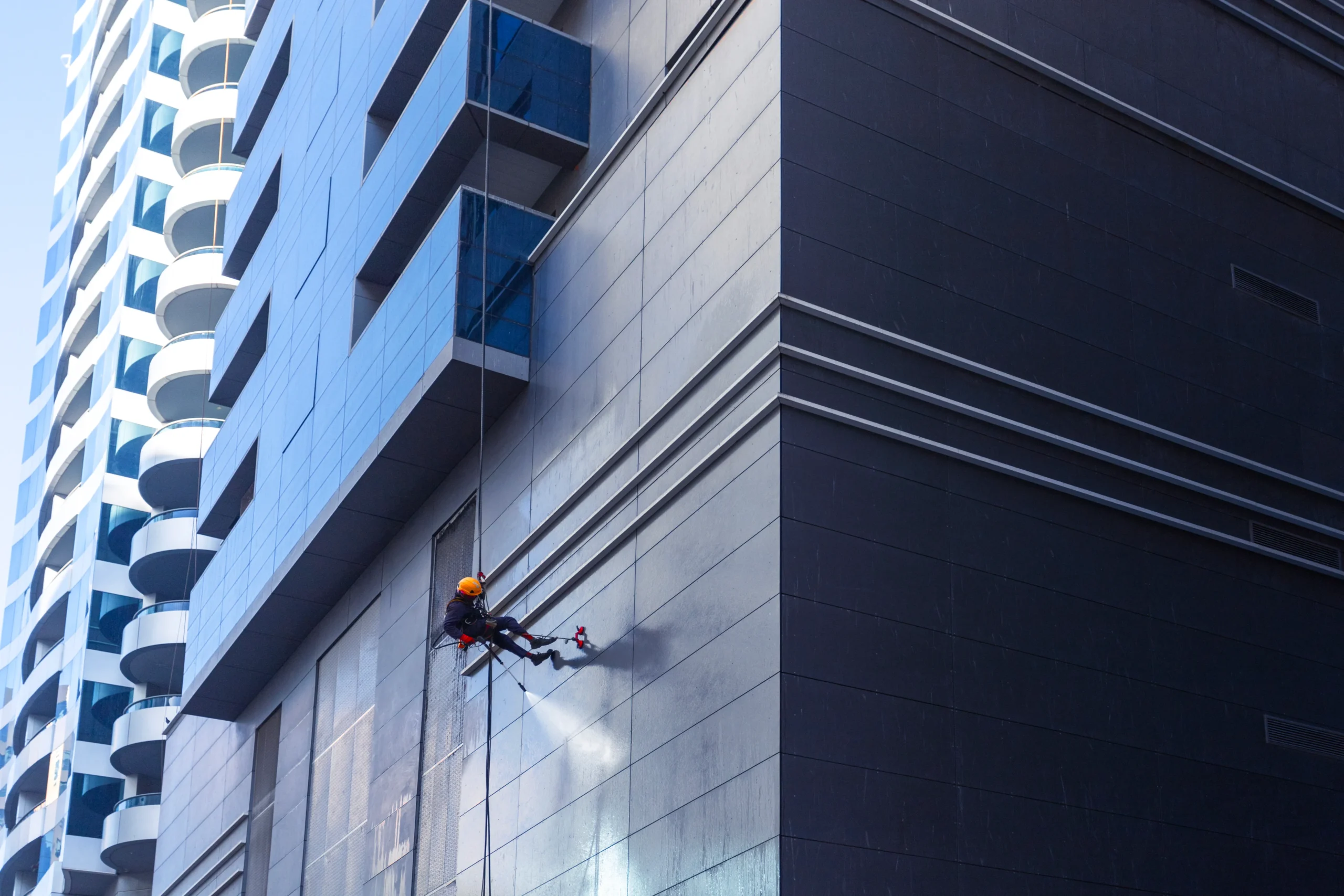
Rehabilitation significantly increases the market value of a building. Modernized spaces attract higher-quality tenants and can justify higher rental rates. Upgraded lobbies, improved facades, and refreshed interiors create a strong first impression.
In competitive markets like Dubai and Abu Dhabi, presentation matters. A renovated building stands out among older properties and appeals to companies looking for professional and modern environments. For property owners, renovation is a smart investment that can generate long-term returns.
Adapting to Modern Technology
Technology has transformed how buildings operate. Smart systems for lighting, security, and climate control are now common. Older buildings may not have the infrastructure to support these systems without upgrades.
Renovation allows owners to integrate smart technologies such as automated access control, energy monitoring systems, and digital security solutions. These upgrades improve convenience, enhance safety, and increase efficiency. In a modern business environment, smart infrastructure is often expected rather than optional.
Improving Comfort and Design
Renovation is not only about systems and compliance. It is also about improving comfort and aesthetics. Interior layouts can be redesigned to create open spaces, better lighting, and improved airflow. Common areas such as reception zones, corridors, and meeting rooms can be refreshed to reflect contemporary design trends.
In the UAE, modern design is highly valued. Clean lines, high-quality materials, and elegant finishes help create professional environments. Renovation allows older buildings to compete with newly constructed properties by offering updated and attractive spaces.
Supporting Sustainability Goals
Rehabilitation is also environmentally responsible. Demolishing a building creates construction waste and consumes additional resources. By upgrading existing structures, developers reduce environmental impact and conserve materials.
This approach supports the UAE’s long-term sustainability objectives. Reusing strong foundations and structural elements reduces carbon emissions compared to full reconstruction. Renovation promotes efficient resource use and aligns with green building practices.
Minimizing Disruption with Proper Planning
Renovation projects require careful planning to minimize disruption, especially in commercial buildings. Businesses often continue operating during upgrades. A well-organized rehabilitation plan ensures that construction work does not interfere with daily activities.
Phased renovation strategies can be used to upgrade sections of a building gradually. Clear communication between contractors, property managers, and tenants helps maintain smooth operations. Proper scheduling and project management are essential for success.
Conclusion
Rehabilitation and renovation play an important role in modern urban development across the UAE. Instead of replacing old buildings, upgrading them to meet current standards provides safety, efficiency, and long-term value. Renovation improves energy performance, enhances design, ensures regulatory compliance, and increases property value.
For building owners, investors, and developers, upgrading existing structures is a practical and sustainable solution. It combines preservation with modernization and allows cities like Dubai and Abu Dhabi to grow responsibly while maintaining architectural continuity.
In today’s competitive and environmentally conscious market, rehabilitation is not just an alternative to new construction. It is a strategic approach that strengthens buildings, supports sustainability, and prepares properties for the future. By investing in renovation, owners protect their assets and contribute to the ongoing development of the UAE’s urban landscape.