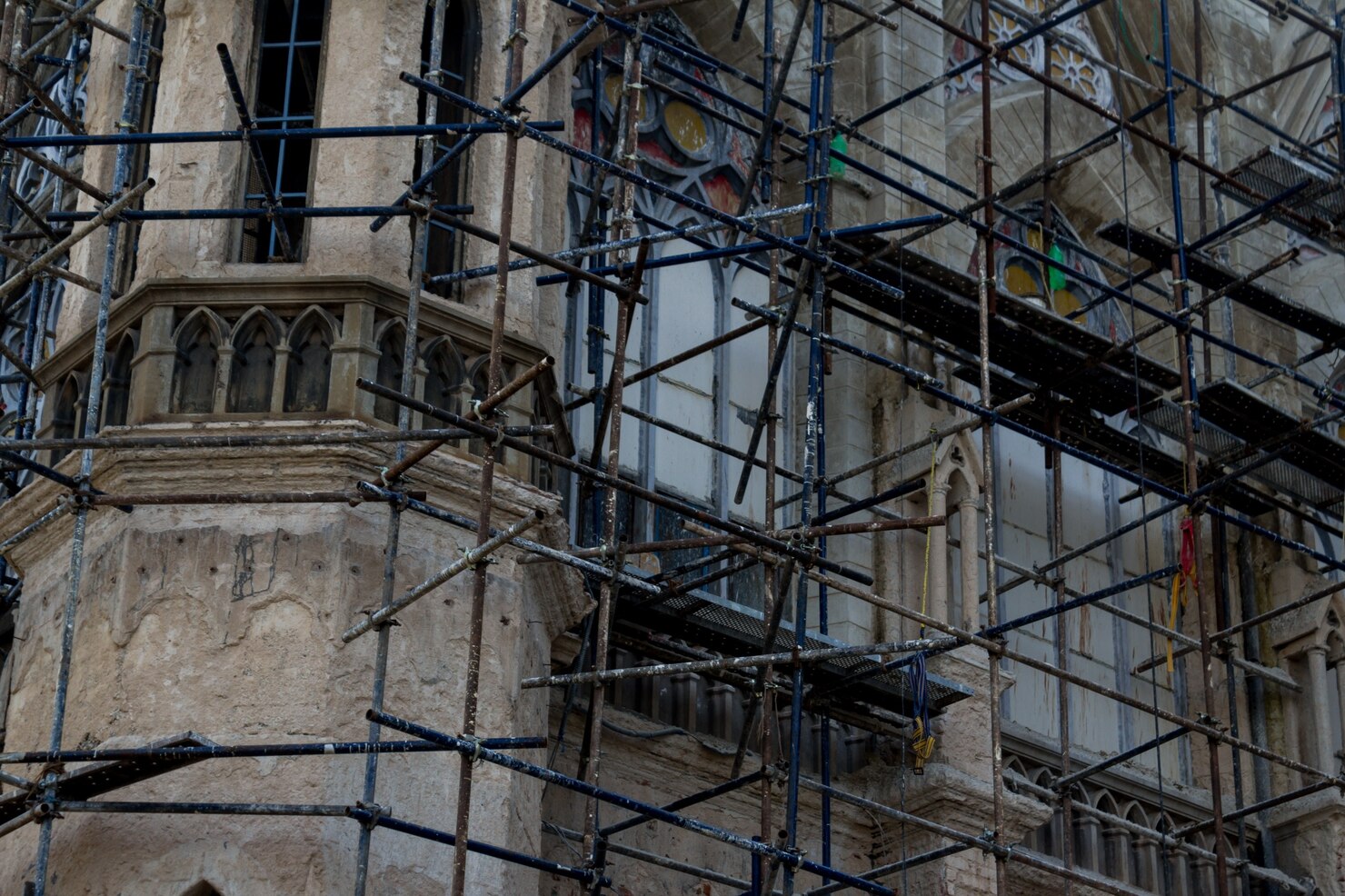
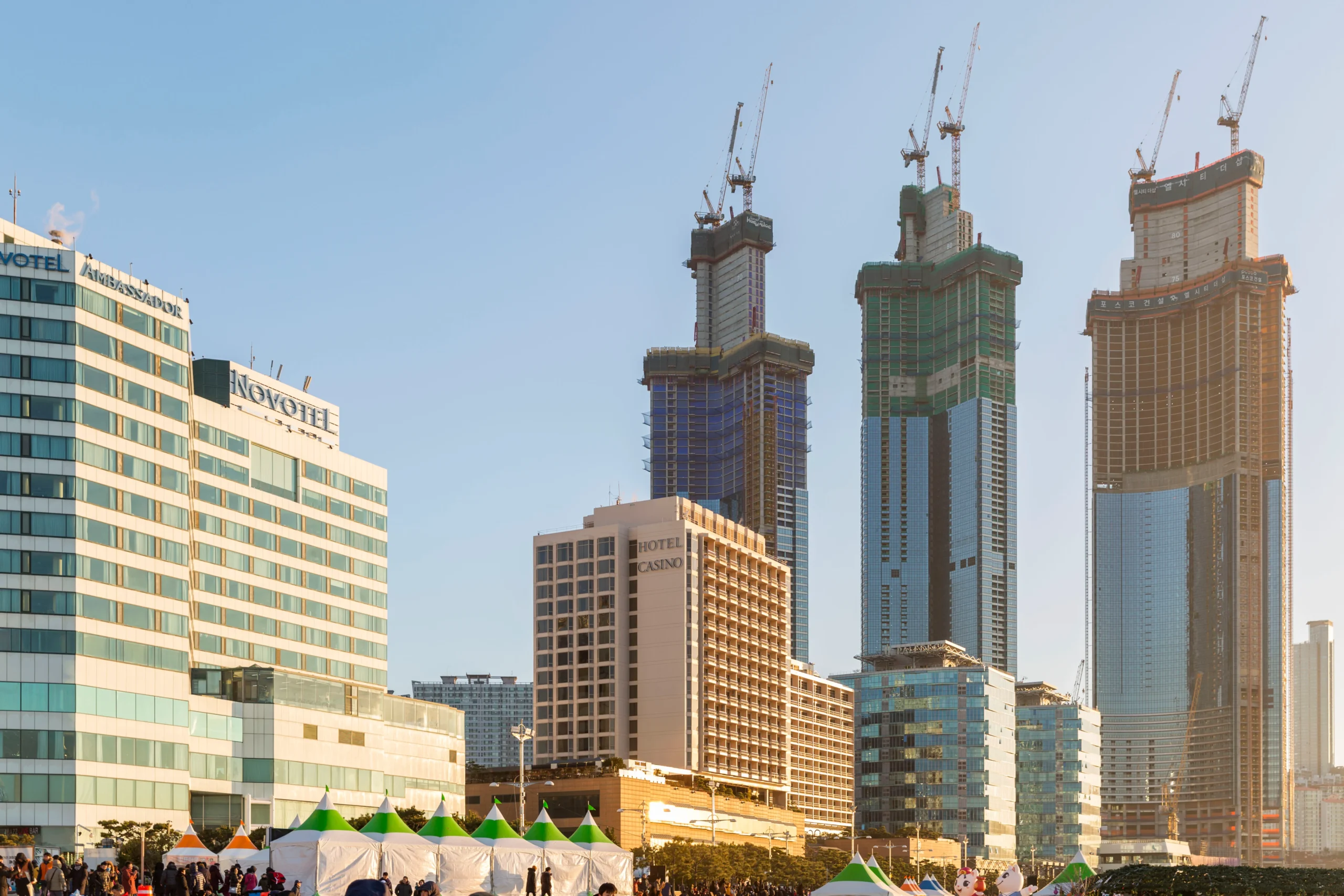
Sustainable construction refers to building methods that reduce environmental impact while improving efficiency and quality. This includes using energy-efficient systems, environmentally friendly materials, and smart design strategies that lower resource consumption.
The goal is to create buildings that are durable, cost-effective, and environmentally responsible. Sustainable construction focuses on reducing waste, conserving energy and water, and improving indoor environmental quality for occupants.
In the Middle East, where climate conditions can be extreme, sustainability also plays a major role in reducing energy consumption, especially for cooling systems.
Energy Efficiency in Buildings
One of the most important aspects of sustainable construction is energy efficiency. In hot climates like the Middle East, air conditioning systems use a large amount of electricity. Modern sustainable buildings are designed to reduce this demand.
This can be achieved through better insulation, high-performance windows, reflective roofing materials, and efficient HVAC systems. Smart building technologies also help control lighting and temperature automatically based on usage.
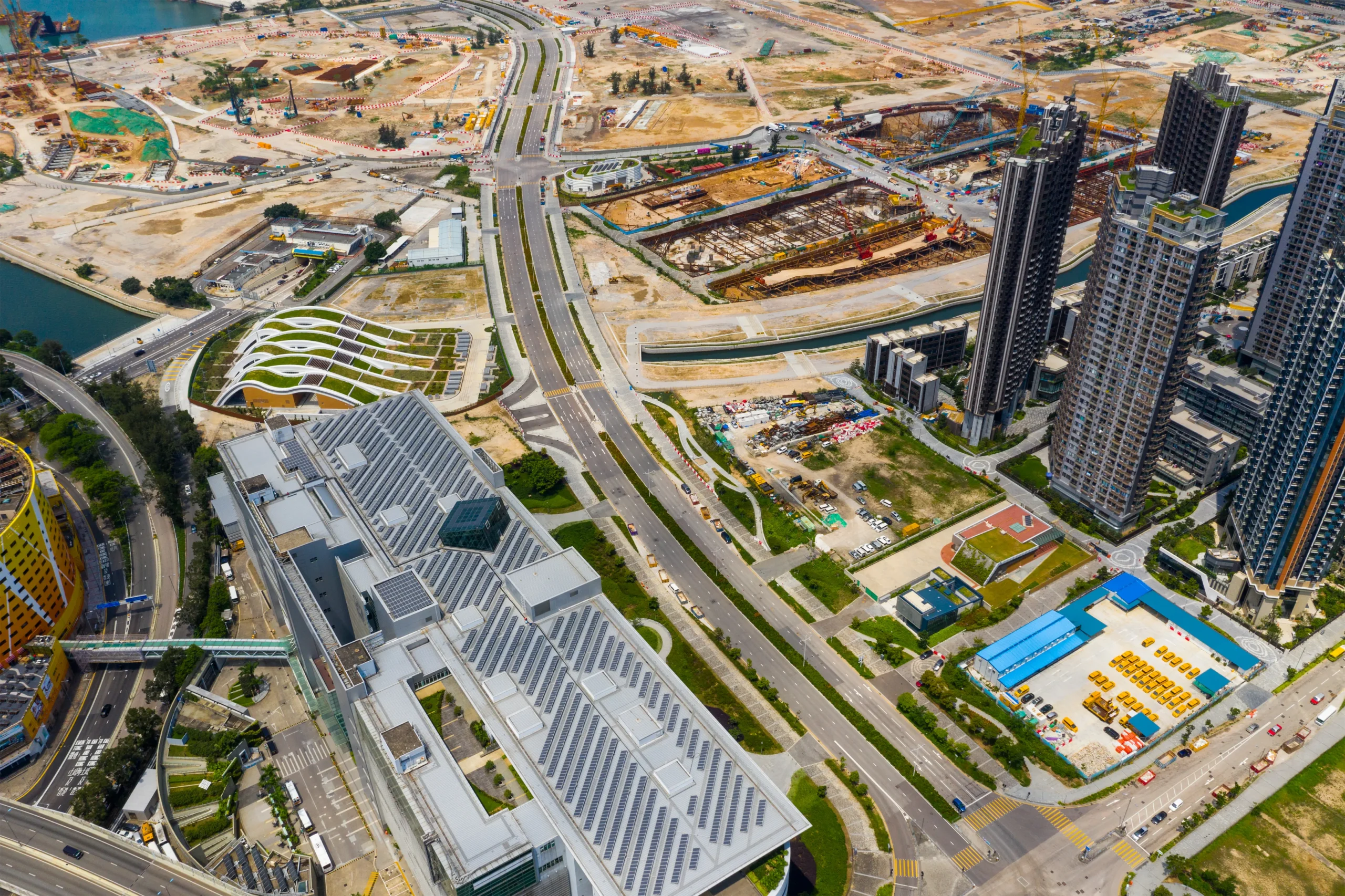
Using renewable energy sources such as solar power is another key practice. Solar panels are increasingly installed on rooftops and building façades to generate clean electricity. Since the region receives strong sunlight throughout the year, solar energy is a practical and effective solution.
Water Conservation Strategies
Water conservation is extremely important in the Middle East due to limited natural water resources. Sustainable construction includes systems that reduce water consumption and improve efficiency.
Low-flow plumbing fixtures, water recycling systems, and smart irrigation for landscaping help minimize waste. Some buildings also use treated wastewater for non-drinking purposes such as cooling systems or garden irrigation.
These measures reduce operational costs and support long-term water security goals in the region.
Use of Eco-Friendly Materials
The materials used in construction have a significant environmental impact. Sustainable practices encourage the use of recycled, locally sourced, and low-emission materials.
Using locally available materials reduces transportation emissions and supports the regional economy. Recycled steel, concrete alternatives, and environmentally certified products are becoming more common in modern projects.
Choosing durable materials also extends the lifespan of buildings, which reduces the need for frequent repairs and replacements.
Smart Design and Green Building Standards
Many countries in the Middle East have introduced green building regulations and certification systems. These standards encourage developers to follow environmentally responsible design principles.
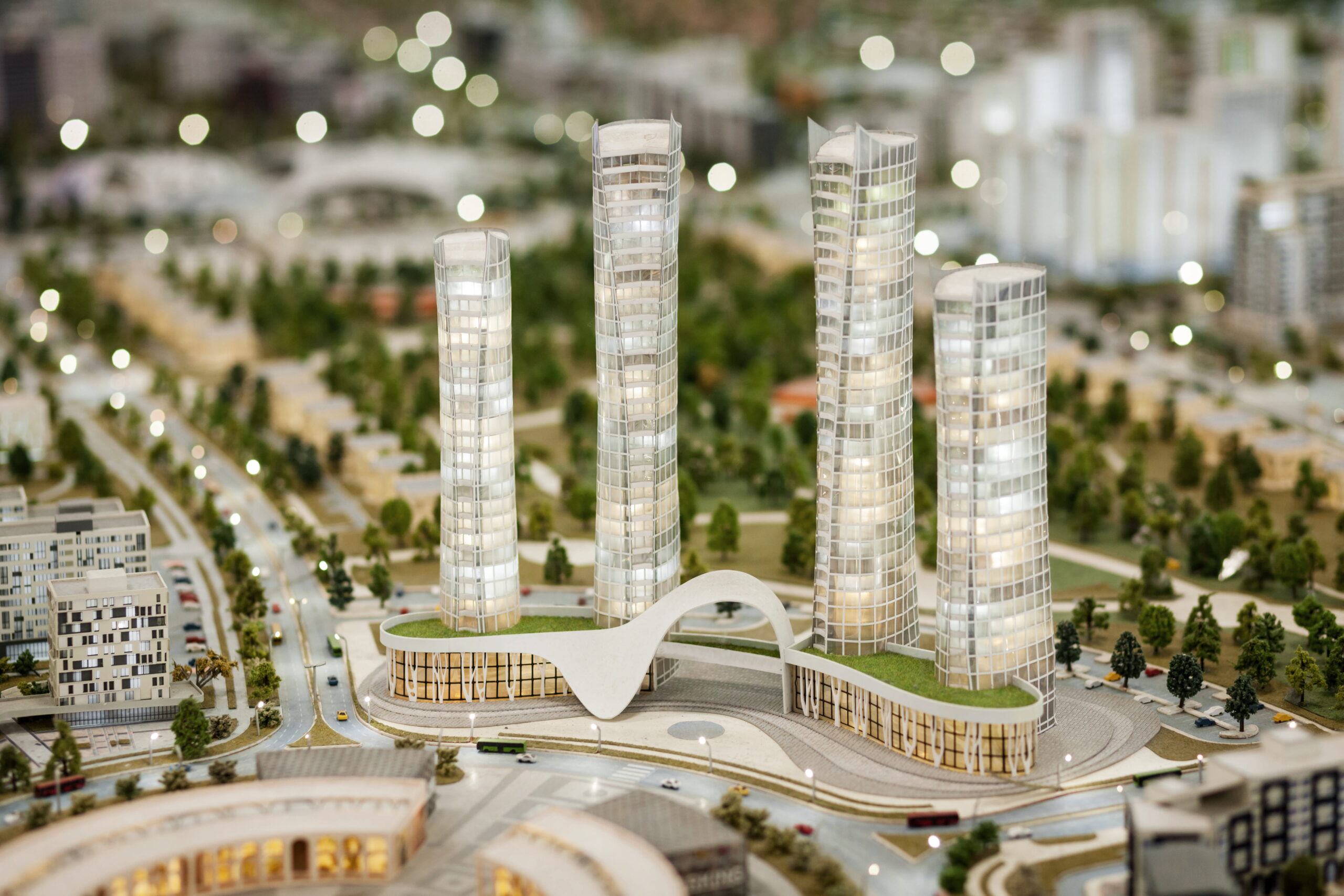
Smart design includes optimizing natural lighting, improving ventilation, and creating layouts that reduce energy consumption. Buildings are planned in a way that maximizes efficiency while maintaining comfort.
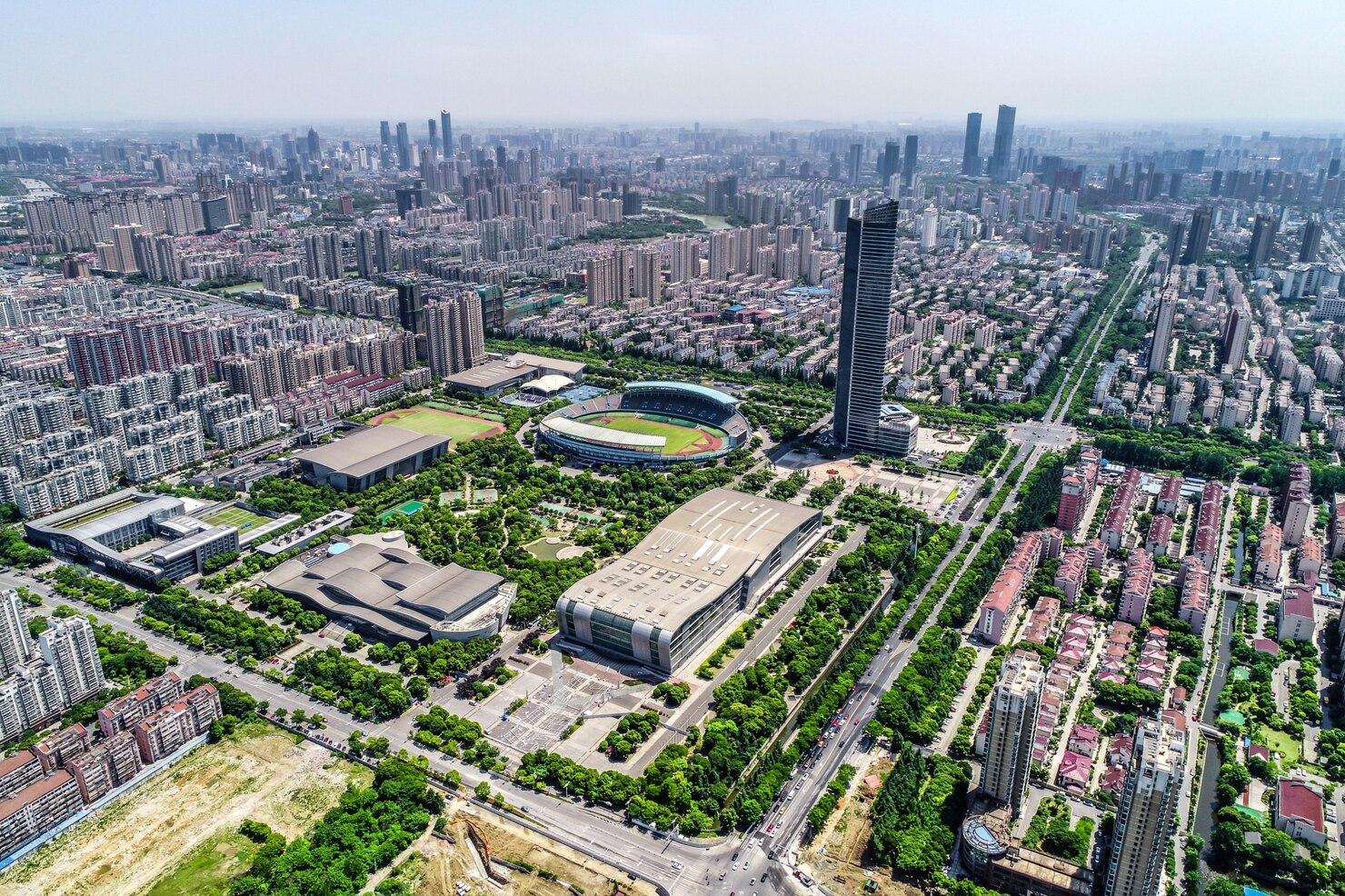
Urban planning also plays a role. Mixed-use developments, walkable communities, and public transport access reduce the need for excessive car usage and help lower carbon emissions.
Reducing Construction Waste
Construction activities generate a significant amount of waste. Sustainable practices aim to reduce this by improving planning and using efficient construction methods.
Accurate project planning, digital modeling tools, and prefabricated construction techniques help minimize material waste. Recycling construction debris and reusing materials wherever possible also supports sustainability goals.
Reducing waste not only benefits the environment but also lowers project costs.
Long-Term Cost Benefits
Although sustainable construction may require initial investment, it often leads to long-term savings. Energy-efficient buildings have lower utility bills, reduced maintenance costs, and better operational performance.
For investors and property owners, sustainable buildings are more attractive to tenants. Many businesses prefer spaces that align with environmental responsibility and corporate sustainability goals.
Over time, sustainable buildings tend to maintain higher market value and better occupancy rates.
Supporting Regional Vision and Development Goals
Countries in the Middle East are introducing national strategies focused on sustainability and environmental protection. These long-term visions encourage green development, renewable energy adoption, and reduced carbon emissions.
Construction companies that adopt sustainable practices are better aligned with these goals. By following environmental standards, developers contribute to national progress while strengthening their reputation in the market.
Sustainable construction supports economic growth while protecting natural resources for future generations.
Conclusion
Sustainable construction practices are shaping the future of development across the Middle East. Energy efficiency, water conservation, eco-friendly materials, smart design, and waste reduction are becoming standard elements of modern projects.
In regions like the UAE and neighboring countries, sustainability is not just a trend. It is a strategic necessity driven by environmental conditions, economic priorities, and long-term national goals.
By adopting sustainable construction methods, developers and contractors can reduce costs, improve building performance, and contribute to a healthier environment. These practices ensure that cities continue to grow responsibly while maintaining high standards of quality and innovation.
Sustainability in construction is about building smarter today to create a better tomorrow. In the Middle East, this approach is helping shape resilient cities, efficient infrastructure, and environmentally responsible communities.